iPhone 17 Pro Max TikTok Bobby Black Competition


CLICK THE BUTTON BELOW AND TAKE YOUR LUCK

CLICK THE BUTTON BELOW!
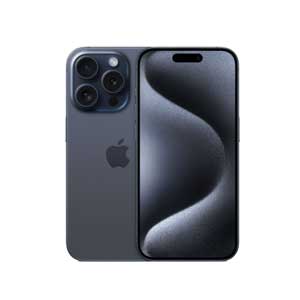
The internet, a boundless digital frontier teeming with information and opportunity, simultaneously harbors a shadowy underbelly: the pervasive and often deceptive world of online scams. This deceptive landscape is particularly fertile on platforms like TikTok, where viral trends and the intoxicating promise of instant gratification frequently mask malicious intent. The recent purported "Every single like is getting an iPhone 17 Pro Max Giveaway by BOBBY BLACK on TikTok" campaign serves as a prime example of this pervasive danger. While the enticing prospect of a free iPhone 17 Pro Max, a premium device carrying a significant price tag, is undeniably tempting, a thorough critical examination reveals a high probability of fraudulent activity. This in-depth analysis will dissect the intricate mechanics of such giveaways, meticulously scrutinize the numerous red flags associated with Bobby Black's campaign, and ultimately equip readers with the knowledge and critical thinking skills necessary to navigate the treacherous waters of online promotions.
The seductive power of a free iPhone 17 Pro Max cannot be overstated. The allure of acquiring this coveted device, typically commanding a substantial financial investment, simply by liking a TikTok video is a potent psychological trigger, exploiting the innate human desire for free, high-value goods. This inherent appeal makes these giveaways remarkably effective at rapidly expanding an account's reach and visibility within the TikTok ecosystem. The sheer number of likes and engagements generated fuels the viral spread, creating an appearance of legitimacy. However, the very foundation of such giveaways – promising a valuable commodity to every single participant – should immediately ignite a healthy dose of skepticism. Let's explore the reasons why this seemingly boundless generosity should be met with extreme caution.
The Mechanics of Deceit: Dissecting the Operational Strategy of Viral TikTok Giveaways
The core principle underlying many viral TikTok giveaways is not genuine benevolence, but rather a sophisticated manipulative strategy designed to exponentially boost an account's popularity and engagement metrics. These metrics – follower count, likes, shares, and comments – are the lifeblood of an account's visibility on the platform. The more engagement an account generates, the higher it climbs in TikTok's algorithm, resulting in significantly increased exposure to a much broader audience. Consequently, the promise of a free iPhone serves as irresistible bait, drawing users into what appears to be a mutually beneficial arrangement: free iPhones for participants and rapid, organic growth for the account organizer. However, this seemingly symbiotic relationship often masks a far more sinister reality.
The "every like wins" tactic is a particularly potent tool for achieving rapid growth. The promise of guaranteed rewards incentivizes users not only to like the video but also to share it across their social networks, further amplifying the giveaway's reach through exponential propagation. This rapid growth, fueled by the irresistible allure of free high-value prizes, quickly generates a massive surge of engagement within a remarkably short timeframe. However, the inherent implausibility of such a giveaway—distributing hundreds, or even thousands, of expensive iPhones—should serve as a glaring red flag. Consider the analogous scenario of a brick-and-mortar store offering a brand-new luxury car to every customer who walks through its doors. Such an offer is demonstrably unsustainable and highly improbable. Similarly, the "every like wins" strategy employed in these viral TikTok giveaways lacks fundamental economic and logistical viability. The sheer cost of acquiring and distributing such a volume of high-value electronics renders the claim practically impossible to fulfill legitimately.
A Critical Examination of Bobby Black's Giveaway: Unmasking the Red Flags
The specifics of Bobby Black's campaign—promising an iPhone 17 Pro Max to every single user who likes the video—demand a particularly cautious and discerning approach. Several critical factors raise significant questions about the authenticity and legitimacy of this giveaway.
Firstly, the sheer scale of the giveaway is inherently unsustainable. Even with a relatively modest number of likes, the cost of providing iPhones to every participant would be astronomical, far exceeding the financial resources of most individuals or even small businesses. This staggering economic reality renders the claim of genuine intention highly questionable.
Secondly, a thorough examination of the account's history and trajectory is crucial. Is this a newly created account suddenly showering users with expensive gifts? A sudden, inexplicable surge in generosity is a classic hallmark of potential scams, designed to exploit user enthusiasm and naivete. Established accounts with a consistent history of engagement and a demonstrable track record are far more likely to be conducting legitimate giveaways. The sudden appearance of extraordinary generosity warrants heightened scrutiny.

CLICK THE BUTTON BELOW AND TAKE YOUR LUCK
CLICK THE BUTTON BELOW!
Thirdly, the absence of verifiable evidence significantly undermines the claim's credibility. Are there any independent reviews or testimonials from previous winners? Are there verifiable shipping records, tracking numbers, or any other proof of prize distribution? The lack of such concrete evidence serves as a crucial warning sign. Legitimate giveaways typically provide some form of proof or verification of winners to maintain transparency and build trust.
Fourthly, the specific nature of the request itself warrants careful consideration. Legitimate giveaways usually involve clear, transparent terms and conditions. Scams, on the other hand, often demand excessive personal information or require users to complete complex tasks that may expose them to malware or phishing attempts. Users should be wary of giveaways that request sensitive personal information, such as bank details, social security numbers, or passwords.
Finally, the account's engagement patterns should be analyzed. Is the engagement primarily from bot accounts or seemingly genuine user interactions? An analysis of follower demographics and interaction patterns can reveal suspicious activities indicative of artificial inflation of engagement metrics.
CLICK THE BUTTON BELOW AND TAKE YOUR LUCK
CLICK THE BUTTON BELOW!
The Perils of Phishing and Malware: Beyond the Disappointment
Beyond the inevitable disappointment of not receiving a promised iPhone, participation in these fraudulent giveaways can lead to far more severe consequences. Scammers often use these campaigns as a smokescreen to collect personal data, such as email addresses, phone numbers, and even bank account details. This harvested information is then weaponized for various malicious purposes, including identity theft, targeted phishing scams, and the dissemination of malware. Furthermore, some giveaways may require users to download malicious applications or visit compromised websites, significantly increasing their vulnerability to sophisticated cyber threats. These threats can extend far beyond the initial disappointment of a non-existent prize, potentially resulting in significant financial losses and irreparable damage to personal identity and security.
Conclusion: Exercising Caution in the Digital Marketplace
While the allure of free high-value items is undeniably powerful, it is absolutely crucial to approach online giveaways, especially those promising seemingly unrealistic rewards, with a healthy dose of skepticism and critical thinking. The ubiquitous "every like wins" strategy should be considered a major red flag, virtually synonymous with a potentially fraudulent scheme. Always independently verify the authenticity and legitimacy of the account and organizer. Thoroughly investigate the account's history, look for independent reviews and testimonials from verifiable sources, and meticulously scrutinize the terms and conditions of the giveaway before participating. Prioritizing online safety and exercising caution are paramount to avoiding the pitfalls of these deceptive campaigns. Remember the golden rule: if an offer seems too good to be true, it almost certainly is. Don't allow the tempting lure of a free iPhone to blind you to the potential risks involved. By critically evaluating the information presented, understanding the mechanics of such promotions, and employing a healthy dose of skepticism, you can protect yourself from falling victim to these misleading and potentially harmful schemes.
